7 Mistakes to Avoid When Planning a Safari Adventure
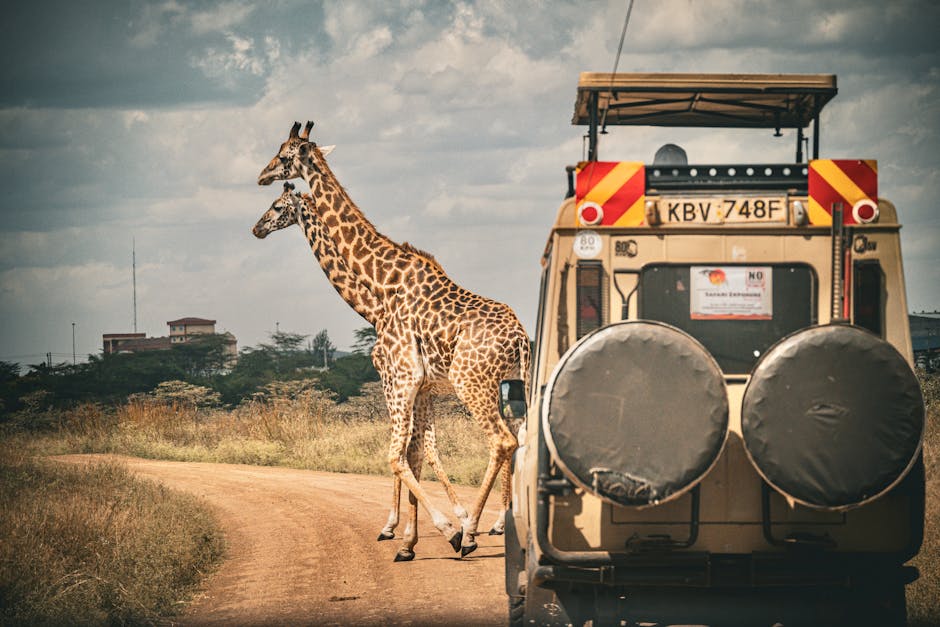
Embarking on a safari adventure is a dream for many. It promises wild encounters, breathtaking landscapes, and memories to last a lifetime. Yet, this dream could easily become a logistical nightmare without proper planning. Safaris require more than just booking a flight and packing a bag. Here are seven common pitfalls to avoid when planning your safari adventure.
1. Ignoring the Best Time to Visit
Timing is everything when it comes to a safari. The best time to visit will vary depending on the location and the wildlife you wish to see. For example, if you’re heading to Tanzania for the Great Migration, consider a trip between June and October. In contrast, South Africa’s Kruger National Park offers excellent wildlife viewing all year round, but the dry season (May to September) makes animals easier to spot. Research the best months for your destination and plan accordingly to maximize wildlife sightings.
2. Overpacking or Underpacking
Packing for a safari can be a daunting task. The key is balance. Overpacking can lead to cumbersome travel with unnecessary items, while underpacking might leave you without essentials. Bring lightweight, neutral-colored clothing, a wide-brimmed hat, and sturdy closed-toe shoes. Don’t forget essentials like sunscreen and insect repellent. Most importantly, pack a good pair of binoculars. This simple tool can transform your experience from a distant view to a close-up encounter.
3. Not Considering the Type of Safari
Not all safaris are created equal. Some offer luxury lodges with gourmet meals, while others involve rugged camping in the bush. Decide what type of experience you want. If luxury is your style, consider lodges like Bateleur Camp in Kenya’s Masai Mara or Singita Ebony Lodge in South Africa. For a more authentic, rough-and-ready experience, mobile camping safaris in Botswana might be more your speed. Knowing your preference will help you choose the right tour operator and ensure a satisfying experience.
4. Skipping Travel Insurance
Travel insurance might feel like an unnecessary expense, but it is vital for a safari adventure. Safaris can come with unpredictable elements, from health issues to unpredictable weather. Comprehensive travel insurance can cover cancellations, medical emergencies, and lost luggage. Check that the policy includes coverage for all activities you plan to do, such as hot air ballooning or bush walking. A small investment in travel insurance can save you from significant headaches later on.
5. Forgetting About Travel Vaccinations
Health precautions are paramount in safari planning. Some African countries require vaccinations or medications before entry, such as yellow fever or malaria prophylaxis. Consult a travel clinic or your doctor well in advance of your trip. They can provide you with a list of necessary vaccinations based on your itinerary. Also, bring a basic first aid kit to handle minor injuries or illnesses during your trip.
6. Not Setting a Realistic Budget
While a safari can indeed be expensive, there are options for various budgets. Do your research and set a realistic budget that encompasses more than just accommodation and flights. Consider costs like park fees, guides, tips, and meals. It’s easy to overlook these additional expenses. For example, park entry fees at Serengeti National Park can reach up to $70 per person per day. Asking for a detailed breakdown of costs from your tour operator can help you prepare financially.
7. Neglecting to Choose the Right Travel Group
The company you keep can significantly impact your safari experience. If you prefer a more personalized journey, avoid large group tours. Instead, look for tours that offer small group or private options, which allow for a more intimate and flexible experience. Companies like &Beyond and Wilderness Safaris offer personalized tours with knowledgeable guides who can tailor the trip to your interests. Choose a group that matches your pace and travel style to get the most out of your adventure.
Planning a safari requires attention to detail and a bit of know-how. By avoiding these common mistakes, you can enhance your journey into the wild and ensure it’s as thrilling and fulfilling as you imagined. Remember, a well-planned safari is not just about the destination, but the journey itself.
Practical Takeaway: Start your safari planning well in advance, pay attention to timing, and tailor the trip to your preferences and budget. With thoughtful preparation, your safari dreams can become a reality.