The Allure of Iran’s Diverse Landscapes
Iran, a country often misunderstood, is bursting with hidden treasures that beckon the adventurous traveler. In 2026, Iran is not just a destination; it’s a journey through history, culture, and unparalleled natural beauty. From the lush forests of the north to the mesmerizing deserts of the south, Iran offers a tapestry of landscapes waiting to be explored.
Travelers are often surprised by the lush greenery of the Alborz Mountains, where you can hike through dense forests and discover the idyllic Masouleh Village, perched on the mountainside with its stepped architecture. Meanwhile, in the south, the Lut Desert, a UNESCO World Heritage site, offers a stark contrast with its surreal landscapes, sand dunes, and starry nights.
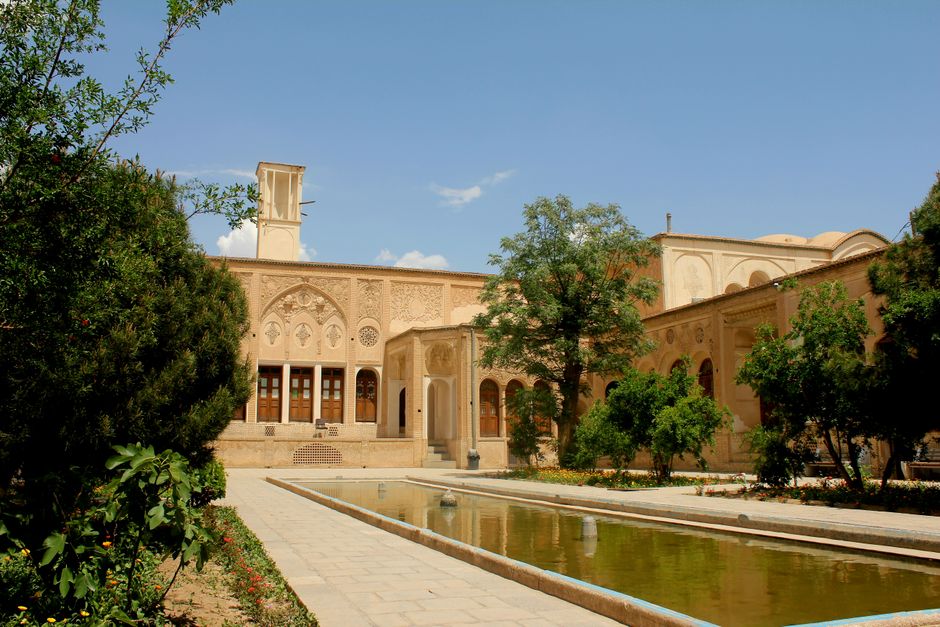
The Architectural Wonders of Ancient Persia
Iran’s rich history is etched into its architecture, offering a glimpse into the grandeur of ancient Persia. The city of Isfahan, known as ‘Half of the World,’ is a masterpiece of Islamic architecture. The Naqsh-e Jahan Square, with its stunning mosques and palaces, is a place where history and beauty converge.
Don’t miss Persepolis, the ceremonial capital of the Achaemenid Empire. Walking among its colossal columns and intricate stone carvings, you can almost hear the echoes of ancient Persian kings. Closer to the capital, the Golestan Palace in Tehran showcases the opulence of the Qajar dynasty with its lavish halls and mirrored rooms.
Culinary Experiences Beyond Kabobs
While many associate Iranian cuisine with kabobs, the culinary landscape of Iran is vast and varied. In 2026, food enthusiasts can indulge in fragrant stews, such as Fesenjan, a rich walnut and pomegranate stew, or Ghormeh Sabzi, a herbaceous concoction that is both hearty and refreshing.
The bustling bazaars of Shiraz and Tabriz offer an array of spices and dried fruits, a feast for the senses. Street food is an adventure in itself, with offerings like kuku sabzi, a delicious herb frittata, and chelo, the beloved Iranian rice dish.
Embracing Persian Hospitality
Iran is renowned for its hospitality, and 2026 is the perfect time to experience it firsthand. From the moment you arrive, you are treated not as a stranger but as a guest. The warmth of the Iranian people is palpable, whether you’re sipping tea in a local’s home or exploring the vibrant streets of Yazd.
Participate in a traditional sofreh dinner, where you dine on a beautifully arranged spread, and engage in conversations that transcend cultural boundaries. This is where travel transforms into genuine human connection.
Practical Tips for Your Iranian Adventure
- Visa Requirements: Most visitors need a visa to enter Iran. It’s best to apply in advance through the e-visa system.
- Dress Code: Respect the local customs by dressing modestly. Women should wear a headscarf and long clothing, while men should avoid shorts.
- Currency: The Iranian Rial is used, and it’s advisable to carry cash, as international credit cards are not widely accepted.
- Language: Farsi is the official language, but many Iranians speak English, especially in tourist areas.
As you plan your 2026 adventure in Iran, embrace the unexpected and prepare to be captivated by the splendors of this majestic land.