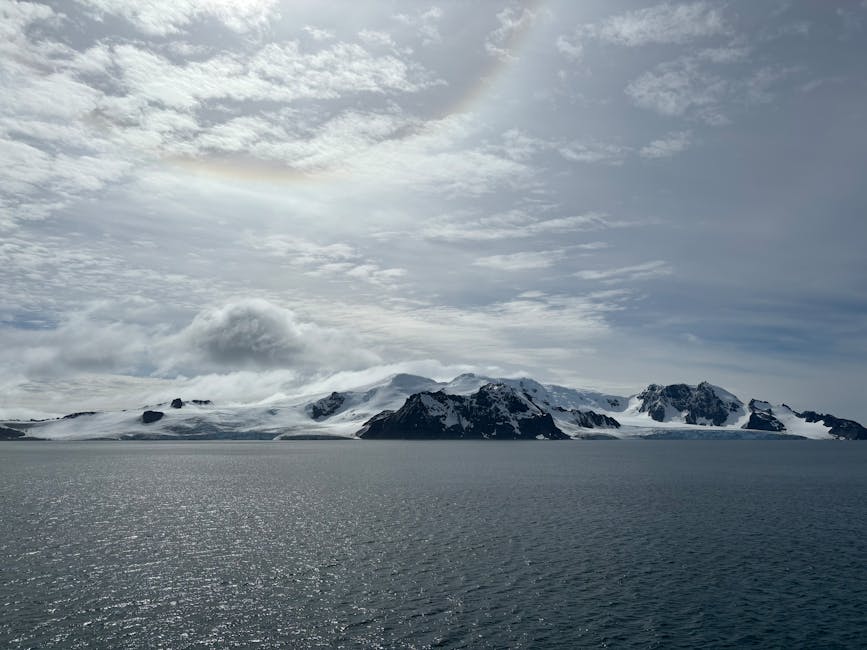
The Allure of Antarctica: Why Now?
Antarctica has long been the realm of adventurers and researchers, a nearly untouched wilderness at the end of the world. In 2026, the Antarctic Peninsula is more accessible than ever, thanks to advances in eco-friendly travel and a growing network of guided expeditions. This icy continent is a place where silence reigns, and the landscapes are otherworldly. With melting ice revealing previously unseen landforms, now is the perfect time to explore this pristine environment.
Getting There: The Journey Begins
Reaching the Antarctic Peninsula is a journey in itself. Most expeditions begin in Ushuaia, Argentina, the southernmost city in the world. From here, travelers embark on ice-strengthened ships for a passage through the turbulent Drake Passage. The trip can take 48 hours, offering a thrilling start to the adventure. Companies like Quark Expeditions and G Adventures offer itineraries that focus on sustainability, ensuring that your journey leaves no footprint on this fragile environment.
Essential Gear: What to Pack for the Frozen Frontier
Packing for Antarctica requires careful planning. Temperatures can range from a mild -2°C (28°F) to a bone-chilling -25°C (-13°F), so layering is key. A high-quality waterproof and windproof outer shell will protect you from the elements, while thermal layers and insulated boots keep you warm. Don’t forget polarized sunglasses to protect against the intense glare of the sun on snow, and a camera with extra batteries to capture the stunning vistas.
Wildlife Encounters: More Than Just Penguins
The Antarctic Peninsula boasts an incredible array of wildlife. Beyond the iconic emperor and Adélie penguins, you can spot Weddell and leopard seals lounging on ice floes. Whale watching is another highlight, with orcas and humpback whales breaching dramatically from the icy waters. Guided tours often include visits to research stations, where you can learn about the ongoing scientific studies on climate change and its impact on these species.
Hidden Gems: Discovering the Peninsula’s Secret Spots
While many focus on the larger landmarks such as Paradise Bay or the Lemaire Channel, there are less-traveled paths that offer solitude and unique experiences. For instance, the South Shetland Islands are home to Deception Island, where you can witness the remnants of an old whaling station and even take a dip in the thermal waters of Pendulum Cove. Another offbeat destination is the Gerlache Strait, known for its breathtaking icebergs and the chance to kayak amidst them.
Conservation Efforts: Playing Your Part
Traveling to Antarctica comes with a responsibility to protect its fragile environment. Tour operators are required to adhere to stringent environmental guidelines established by the International Association of Antarctica Tour Operators (IAATO). As a visitor, you can contribute to conservation efforts by respecting wildlife, sticking to designated paths, and participating in clean-up activities organized by your tour group. By doing so, you ensure that future generations can continue to marvel at this icy realm.
Practical Takeaway: Planning a trip to Antarctica in 2026 is not just about the destination; it’s about engaging with the environment responsibly. Equip yourself with the right gear, choose a sustainable tour operator, and prepare for an adventure of a lifetime that leaves only footprints and takes only memories. With careful planning and a spirit of respect for the environment, your journey to the Antarctic Peninsula will be both an exploration and a contribution to preserving one of the world’s last great wildernesses.