Why the Arctic is a Must-Visit Destination in 2026
With the world constantly buzzing at an overwhelming pace, escaping to a place where tranquility and nature reign supreme has never been more appealing. The Arctic, a region often depicted as remote and inhospitable, is emerging as a surprising contender for must-visit destinations in 2026. From breathtaking landscapes to unparalleled wildlife experiences, there’s more to the Arctic than its icy reputation suggests.
The Allure of the Midnight Sun
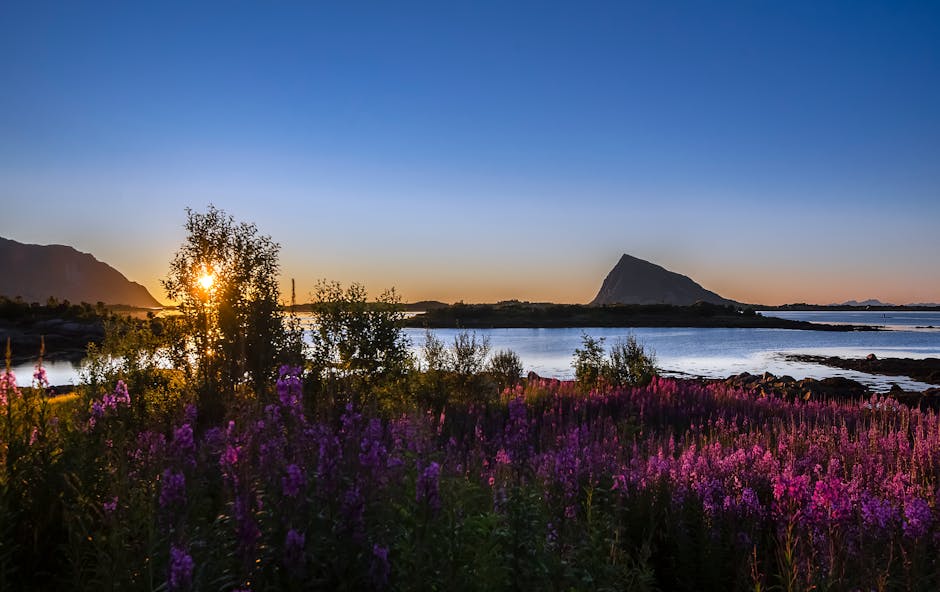
One of the most mesmerizing phenomena in the Arctic is the Midnight Sun, a period where the sun never sets, casting a magical glow over the icy landscapes. This phenomenon, best experienced in areas like Svalbard, Norway, offers visitors a chance to witness days that seem endless. The Midnight Sun provides unique opportunities for activities such as midnight hiking or paddling through serene waters, all under the captivating soft light that is perfect for photography enthusiasts.
Unparalleled Wildlife Encounters
The Arctic is a treasure trove of wildlife, presenting an opportunity to spot creatures that few have the privilege of seeing in their natural habitat. Imagine coming face to face with a polar bear in Churchill, Canada, the self-proclaimed ‘Polar Bear Capital of the World’. Or perhaps witnessing the majestic migration of caribou in Greenland. The Arctic is also home to the elusive narwhal, known as the ‘unicorn of the sea’, best spotted in the waters around Nunavut, Canada. Organized tours ensure that these encounters are respectful, safe, and truly unforgettable.
Stunning Glacial Landscapes
The Arctic is home to some of the world’s most stunning glacial landscapes. The Ilulissat Icefjord in Greenland, a UNESCO World Heritage site, boasts towering icebergs that have to be seen to be believed. These natural wonders are constantly shifting and changing, offering a different experience each time you visit. As climate change accelerates, these glaciers and icebergs serve as poignant reminders of the planet’s fragility, making the experience all the more vital and urgent.
Cultural Exchanges with Indigenous Communities
For those seeking deeper connections, the Arctic offers unique cultural exchanges with indigenous communities. The Sami people of Lapland, spanning across Norway, Sweden, Finland, and Russia, have a rich cultural heritage that is shared through music, food, and storytelling. Similarly, visiting the Inuit communities in Canada and Greenland allows travelers to learn about their traditional way of life, deeply connected to the land and sea. Participating in local festivals or trying traditional dishes like muktuk can provide insights into a way of life that thrives despite the harsh environment.
Adventure Activities for Thrill Seekers
If you’re an adrenaline junkie, the Arctic won’t disappoint. Skiing on the untouched powder of Iceland’s Troll Peninsula offers an unparalleled rush, while dog sledding across Lapland’s snowy expanse is an adventure straight out of an arctic fairytale. For the truly adventurous, consider ice climbing on the frozen waterfalls of Norway or scuba diving to explore the frigid underwater world around the Russian Arctic islands. These activities are not just thrilling; they offer a unique perspective on the raw, untamed beauty of the Arctic.
Practical Takeaway: Planning Your Arctic Adventure
Planning a trip to the Arctic in 2026 requires careful consideration. Due to its remote nature, it’s crucial to book tours and accommodations well in advance. Opt for eco-friendly tour operators who prioritize conservation and offer sustainable practices. Pack appropriate clothing for extreme weather conditions, even if visiting during the warmer months. Finally, ensure your itinerary includes moments of rest to fully absorb the untouched beauty around you. The Arctic offers a rare chance to reconnect with nature, leaving visitors with memories and insights that linger long after the journey ends.