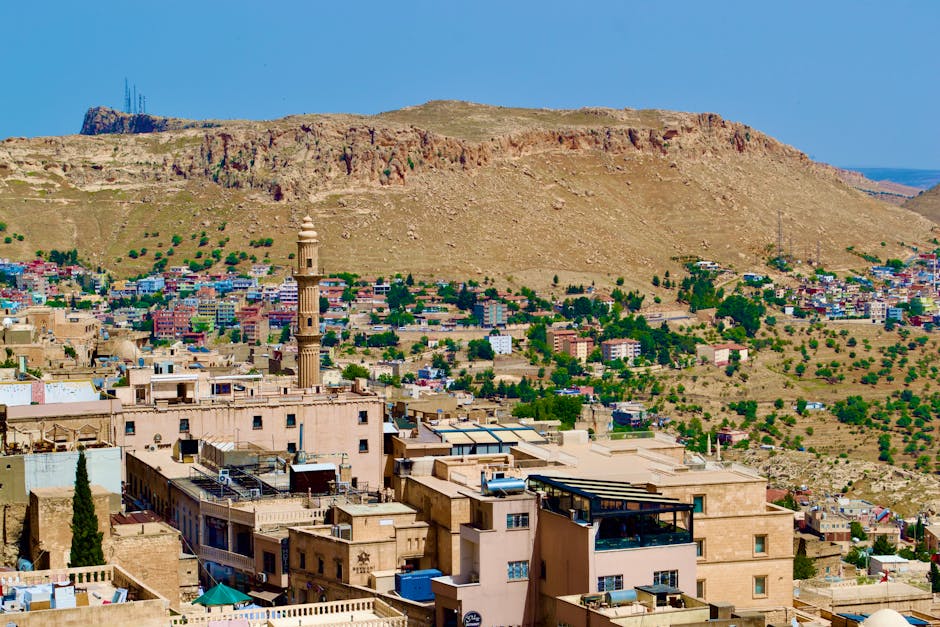
10 Things You Didn’t Know About Traveling in the Middle East
Traveling in the Middle East has often been shrouded in mystery and misconceptions. While some hold it up as a treasure trove of ancient civilization and culture, others might be hesitant due to stereotypes or simple lack of knowledge. Here, we’ll uncover some little-known facts that might just give you a new perspective on this vibrant region.
1. Culinary Diversity Goes Beyond Hummus and Falafel
The Middle East is not just about hummus and falafel, although they are undeniably delicious staples. From the street food stalls in Beirut to the high-end dining experiences in Dubai, the culinary scene is as diverse as it is rich. Lebanon offers a taste of fresh tabbouleh and juicy shawarmas, while Iran delights with its saffron-infused kebabs and Persian stews like ghormeh sabzi. For those with a sweet tooth, Turkish delights and baklava are just the beginning. Your taste buds will thank you for the journey.
2. The Region Is a Cultural Mosaic
While it may be easy to group the Middle East into a singular cultural entity, it’s actually a mosaic of languages, religions, and traditions. Israel is a mix of Jewish, Christian, and Muslim influences, whereas Oman boasts a unique Ibadi Muslim heritage. Kurdish culture thrives in parts of Iraq and Syria, showcasing the remarkable ethnic diversity that threads through the region. Exploring the Middle East is like stepping into a living museum, where every corner tells a story.
3. Modern Infrastructure Meets Ancient History
While many associate the Middle East with ancient ruins and archaeological sites, cities like Doha and Abu Dhabi showcase stunning modern architecture that rivals the skylines of New York and Singapore. The Burj Khalifa in Dubai is the world’s tallest building, and Qatar has been investing heavily in infrastructure for tourism and the 2026 FIFA World Cup. Yet, just a stone’s throw away, you can find the timeless beauty of Petra in Jordan or the Pyramids of Giza in Egypt, reflecting the region’s seamless blend of old and new.
4. Desert Landscapes Aren’t Just Expanses of Sand
When you think of deserts, vast stretches of sand might come to mind, but the Middle East offers much more than that. The Wadi Rum in Jordan, often dubbed the Valley of the Moon, features dramatic rock formations and a palette of colors that shift with the sun. Meanwhile, the Rub’ al Khali or Empty Quarter, the largest continuous sand desert, is a marvel in Saudi Arabia, offering dune bashing adventures and stargazing experiences you won’t forget.
5. Warm Hospitality is a Cultural Norm
Travelers often leave the Middle East with stories of unexpected kindness and hospitality. This region takes pride in its tradition of welcoming guests, known as ‘adaab in Arabic. In Iran, it’s not uncommon for locals to invite strangers to share a cup of tea or a meal. In Jordan, you might be offered a seat at a family gathering. These encounters are more than just cultural norms; they’re promises of genuine human connection that can enrich your travel experience.
6. Safety Is Better Than You Might Think
Contrary to popular belief, many areas in the Middle East are safe for tourists. Countries like the United Arab Emirates, Jordan, and Oman have low crime rates and are considered safe for travelers. Of course, it’s always wise to stay informed about political situations and local customs, but with a bit of preparation, you can explore these countries with peace of mind.
7. Art and Innovation Thrive
The Middle East is experiencing a cultural renaissance, with cities like Sharjah in the UAE being named the Cultural Capital of the Arab World. The Louvre Abu Dhabi showcases international art treasures, while Beirut has a vibrant street art scene that speaks to both tradition and modernity. This region is a hotbed for innovation, blending tradition with forward-thinking creativity.
8. Adventure Opportunities Abound
For the thrill-seekers, the Middle East is a playground. You can scuba dive in the Red Sea off the coast of Egypt, one of the world’s premier diving destinations, or ski in the mountains of Lebanon during winter. Not to mention the exhilarating desert safaris in the UAE, where you can sandboard down massive dunes or take a hot air balloon ride at sunrise.
9. Unique Festivals to Experience
The Middle East hosts a variety of festivals that offer a window into its rich cultural tapestry. The Dubai Shopping Festival is an extravaganza for shopaholics, while the Jerash Festival in Jordan celebrates the arts with music and dance performances. The annual Nowruz festivities in Iran mark the Persian New Year, a time filled with color, joy, and tradition.
10. Ecotourism Is On the Rise
With the growing awareness of sustainable travel, the Middle East is making strides in ecotourism. Oman is leading the charge with conservation projects like the Arabian Oryx Sanctuary. In Sustainable City in Dubai, travelers can see what the future of green living looks like. These efforts provide eco-conscious travelers with opportunities to explore the region responsibly.
Traveling in the Middle East is a journey through time and culture, offering an experience that is as educational as it is exhilarating. Whether you’re exploring ancient ruins, indulging in gourmet delights, or discovering the warmth of local hospitality, this region promises to enrich your soul. As you plan your next adventure, consider the Middle East as more than just a destination; see it as a world unto itself, waiting to be experienced in all its diversity.