The Ancient City Beneath the Waves
Imagine exploring the remains of a city older than Rome, hidden beneath the glistening waters of the Mediterranean. In 2026, diving enthusiasts and history buffs alike are flocking to the submerged ruins of Pavlopetri, Greece—believed to be the world’s oldest underwater city. Situated off the coast of the Peloponnese, Pavlopetri offers an unparalleled glimpse into a world that thrived over 5,000 years ago.
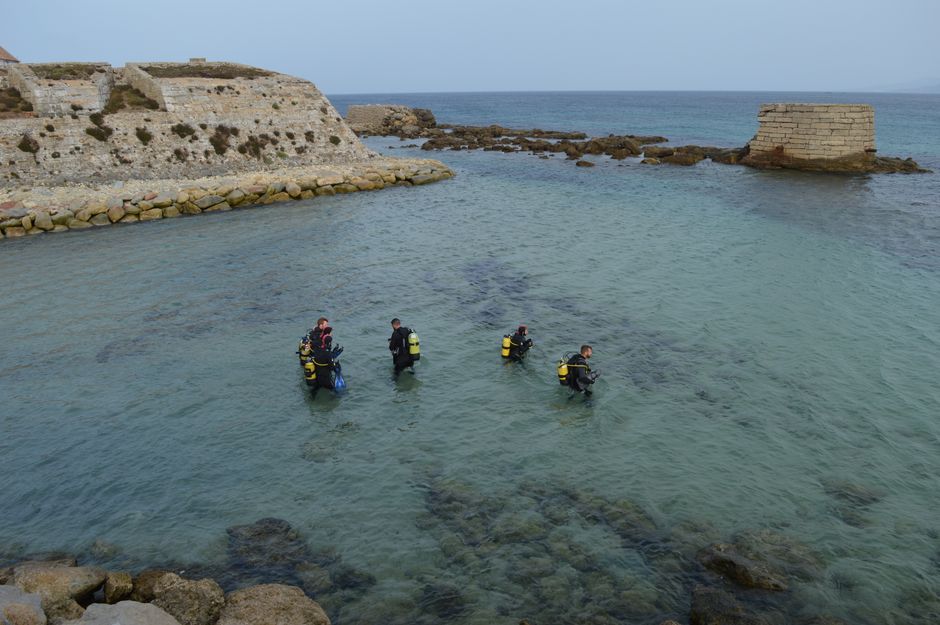
Discovered in 1967, this Neolithic city stretches across 9 acres of seabed. Divers can navigate through remnants of streets, courtyards, and buildings, all lying just 3 to 4 meters below the surface. The clear, azure waters of the Mediterranean and the intriguing ancient layout make this a bucket-list experience like no other.
What Makes Pavlopetri a Must-Visit in 2026?
For starters, Pavlopetri is a unique synthesis of history and marine adventure. While many archaeological sites suffer from over-tourism, the underwater nature of Pavlopetri has preserved its mystique. In 2026, with technological advances in diving equipment and virtual reality, visitors can explore the city more interactively.
The Greek government has also introduced new sustainable diving practices to ensure that the site remains undisturbed while providing an engaging experience for divers. These practices include using eco-friendly equipment and specialized tours led by knowledgeable guides familiar with both the history and ecology of the area.
Planning Your Dive: Key Tips and Insights
- Best Time to Visit: The diving season in Pavlopetri runs from May to September. During these months, the water temperature ranges from a comfortable 20°C to 26°C, offering optimal conditions for exploration.
- Essential Gear: While general dive equipment is sufficient, consider investing in an underwater camera to capture the ancient ruins. Many dive shops around the Peloponnese offer rentals if you’re traveling light.
- Diving Experience: Although the waters are fairly shallow, a basic open water certification is recommended. This ensures that divers can navigate the site safely and make the most of their visit.
- Guided Tours: Opt for a guided dive tour, as experts can provide context to the ruins, transforming your dive into a living history lesson.
Beyond the Dive: Exploring the Peloponnese
Once you’ve surfaced, the surrounding region of the Peloponnese offers plenty of above-water adventures to complement your diving experience. Historical sites like the ancient theater of Epidaurus and the ruins of Mycenae are just a short drive away. For those seeking relaxation, the seaside town of Gytheio offers charming cafes and pristine beaches.
Don’t miss the chance to indulge in local culinary delights—think fresh seafood drizzled with olive oil and paired with a refreshing glass of ouzo. The Peloponnese is a treat for both the palate and the soul.
Why 2026 is the Year to Dive In
As global travel rebounded post-pandemic and more people began to seek unique, less-crowded experiences, Pavlopetri rose as a top destination. In 2026, augmented reality apps that overlay historical reconstructions onto your dive view, combined with eco-friendly travel options, make this the perfect year to explore the site.
Ultimately, Pavlopetri is more than a dive site—it’s a time capsule offering a rare peek into ancient civilization. Whether you’re a seasoned diver or a history enthusiast, this underwater city promises an adventure that resonates long after the dive is over.
Practical Takeaway
As you plan your 2026 travel itinerary, consider incorporating this unique diving adventure. Equip yourself with the right gear, book a guided tour, and ensure your visit aligns with the sustainable practices in place. In doing so, you’ll not only witness an archaeological marvel but also contribute to preserving its legacy for future generations.